If you drive anything built in the past decade, your windshield is not just glass. It is a mounting surface for cameras and sensors that steer lane keeping, emergency braking, adaptive cruise, traffic sign recognition, and more. Replace or even slightly shift that glass, and the brain behind those driving aids can lose its bearings. In Columbia, where summer haze, sudden downpours, and pine pollen keep visibility in flux, ADAS calibration after a windshield job is not just a nice-to-have, it is the difference between a system that helps and one that misleads.
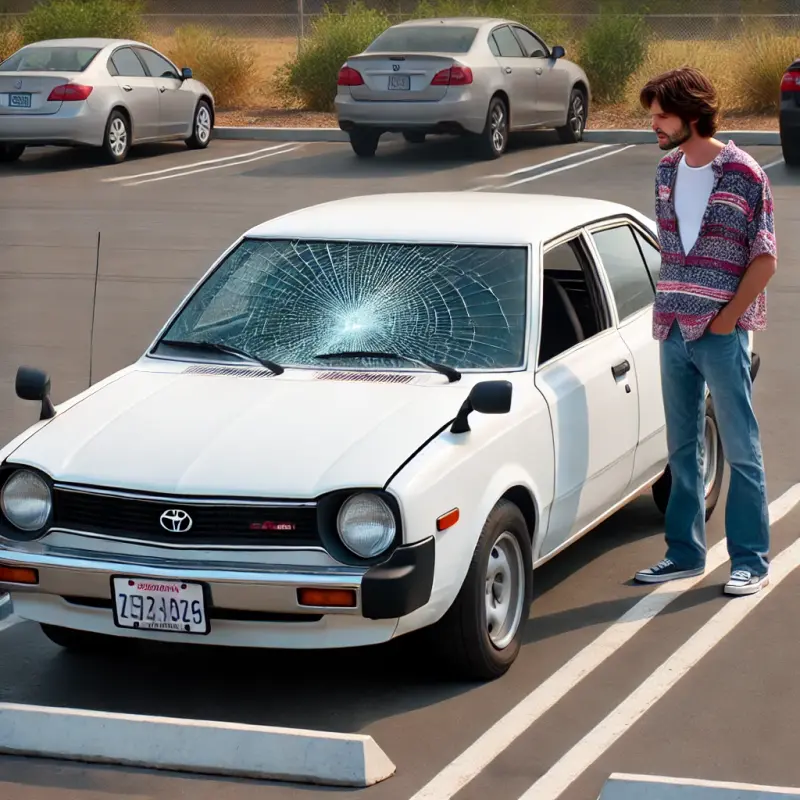
This is a field I work in every week. I have seen cars pass a casual visual check yet drift toward lane lines because a forward camera sat a few millimeters off its intended angle. I have also seen the opposite, a careful calibration bring back confident, predictable lane centering that a driver had written off as gone. You do not need to obsess over the tech, but you should know what matters, what it costs, and how to choose a shop in Columbia that treats calibration like part of the safety system it is.
Why calibration belongs with the glass conversation
A windshield replacement Columbia SC typically starts with a crack or chip that grew into your line of sight. The old rhythm went like this: cut out the glass, set in the new windshield, cure the urethane, send the car down the road. Modern cars add a critical step. The camera bracket bonded to the glass must sit exactly where the manufacturer expects, and the camera lens must “see” the world with the correct aim and scale. That only happens after a calibration procedure.
Think of it like installing a new monitor and then adjusting resolution so text is sharp. A dash camera that is off by a few degrees will misinterpret lane markings and vehicle distances. The scary part is it might not fail spectacularly, it might be subtly wrong. The driver trusts the alert timing or the lane guidance, and that trust gets misplaced.
When I do auto glass repair Columbia SC with ADAS gear involved, I tie the calibration into the job plan, not as an add-on upsell but as the second half of the replacement.
Static vs dynamic: how calibrations actually work
Shops use two basic types of calibrations, sometimes both on the same car. The choice depends on the automaker’s instructions.
- Static calibration happens in a controlled bay using a calibration frame, printed targets, lasers, and strict alignment points. The floor must be level, the lighting uniform, the fuel level and tire pressure correct. We measure vehicle ride height, set wheel alignment if needed, and position targets at specified distances. The camera then looks at known shapes and aligns itself to “zero.” Dynamic calibration uses the real world as the target. The tech connects a scan tool, then drives the vehicle at stated speeds on well-marked roads. The camera learns by watching real lane lines, signs, and vehicles, logging data until the system reports a pass. Weather, road paint quality, and traffic conditions matter. Broad River Road at rush hour is rarely ideal, while a calm stretch of I‑77 can work perfectly.
Many vehicles require both. Static gets the camera into the ballpark, dynamic fine tunes it to local roads. If a shop promises to calibrate in a parking lot without checking lighting, floor level, or target setup when the OEM demands static calibration, that is a red flag.
The Columbia factor: weather, roads, and real-world constraints
Columbia brings specific wrinkles. Summer humidity fogs glass during early morning commutes, which can trigger camera obstruction warnings even after a good calibration. After storm cells roll through, standing water hides lane paint, making dynamic calibration a waiting game. Pollen season dusts the optical path, and construction zones around BullStreet and the Vista mean temporary lines. Good techs know when to postpone a dynamic calibration by a day, or to choose the right time window, usually mid-morning after rush hour when the sun angle, traffic density, and lane markings are favorable.
Static calibrations are less fussy about the weather, but they still depend on a level bay floor. I have measured shop floors that were two degrees off over the length of a sedan, enough to throw a camera’s aim. We shimmed the rear tires and documented the correction so the end result matched the OEM spec. This is the sort of thing that separates careful work from guesswork.
What counts as “ADAS” on your vehicle
Do not worry about every acronym. If your vehicle offers at least one of these features, you likely have a camera or radar that depends on the windshield’s position or the parts near it:
- Lane departure warning or lane keeping assist, typically using a forward camera mounted high behind the glass. Automatic emergency braking, often using camera plus radar, though some models are camera-only. Adaptive cruise control with stop-and-go, sometimes relying on windshield cameras for object classification. Traffic sign recognition or driver attention warnings, usually camera-derived.
Rear camera systems do not depend on the windshield, but a rear windshield replacement Columbia SC can still touch antennas, defroster grids, and trim that affect radio and blind spot functions. A good shop will know which systems link to glass on your specific make.
The chain of custody: what a complete job looks like
Let me outline how I handle a windshield replacement with calibration in Columbia, from intake to handover. Not a script, just the sequence that consistently yields a safe result.
We start with a scan. A pre-scan reads fault codes and captures module versions. That way we know what warnings existed before we touch the car. Then we verify OEM procedures. Some vehicles require camera bracket heating or a cooling period before calibration. Others demand ride height measurement or special targets.
During removal, we protect the dash and A-pillars, and we do not bend the camera bracket. Even small flex can distort aim. We dry fit the new glass, check the frit band and camera window for clarity, and ensure the part truly matches the OEM part number or an approved equivalent. If you bring a budget windshield with a “universal” camera bracket, I will likely decline the install because the calibration may never pass.
Once the urethane cures to the safe drive-away time, we set up for static calibration when required. The frame goes down, lasers reference centerline and thrust angle, and tires sit at the specified pressures. The fuel tank cannot be near empty on some models, because ride height shifts aim. With targets in place, we initiate calibration through a factory tool or a capable J‑2534 device that meets the automaker’s spec.
After static, we road test for dynamic learning. I pick routes with clean lane lines, usually a mix of I‑26 or I‑77 and a steady arterial like Two Notch Road. If rain or low sun glare ruins the camera view, we pause and resume later. When the tool reports completion, we do a post-scan and produce documentation. You leave with a calibration certificate and the scan reports. If an insurer is involved, those documents support the claim.
Costs, time, and insurance realities
Expect a calibration to add one to three hours to the job depending on the vehicle and conditions. Static-only calibrations are faster when the bay is set up. Dynamic-only can take longer if traffic does not cooperate. Some vehicles will also need radar alignment or steering angle sensor resets, which can add time.
Costs vary. Calibration fees in Columbia typically fall in the 200 to 450 dollar range per camera, though premium brands can exceed that. If you are using insurance auto glass repair Columbia SC benefits, coverage depends on your policy. Many carriers now recognize calibration as required and cover it alongside the windshield. Others cover the glass but apply a deductible to the calibration. When we handle the billing, we confirm coverage before we cut the urethane, so there are no surprises.
Be wary of quotes that seem too low or promise “no-cal” on a vehicle known to require it. I see those cars later when driver assist behaves oddly and the owner wants it fixed properly.
Mobile service and what is truly feasible on-site
Mobile auto glass repair Columbia SC is convenient, and for simple windshield chip repair Columbia SC it is a perfect fit. For full replacements with ADAS, mobile can work with the right equipment and conditions, but reality intrudes. Static calibration needs a level surface and controlled lighting. Your sloped driveway or a breezy carport usually will not do. Dynamic calibration requires nearby roads with reliable lane paint and steady speeds.
We run a hybrid model. Mobile installs for vehicles without ADAS or for those where the OEM allows dynamic-only calibration, provided we can access suitable roads. For static requirements, we auto glass repair Columbia SC bring the car to the shop or arrange a pickup, then return it the same day. If your schedule demands same day auto glass Columbia SC, tell us up front. We plan the job so cure time, calibration, and documentation all fit your window. Rushing the cure to hit a clock is not acceptable, and we will say so.
Chip repair vs replacement: when to keep the glass you have
A lot of Columbia drivers ask whether a quarter-size star break can be saved. A well-executed windshield chip repair Columbia SC preserves the factory seal and avoids calibration. If the damage sits outside the camera’s view, or is small and not in the wiper sweep, repair is often the smarter choice. Once cracks reach the edge or spread in the driver’s direct line of sight, replacement is safer. If the damage intrudes on the camera window, even a minor distortion can confuse the sensor. That is a case-by-case decision. I will show you the camera’s exact field of view and we will decide with that in mind.
Glass quality and why it matters for sensors
Not all windshields are created equal. Optical distortion in the camera window can pass a casual glance yet alter how the camera reads lane lines at distance. OEM glass or an equivalent from a high-tier supplier keeps the refractive index and frit pattern consistent with the original. Aftermarket glass ranges from excellent to problematic. I do not default to OEM for every car, but I refuse any glass that shows waves in the camera zone or has a fuzzy black mask around the bracket. That mask exists to block stray light. If it is misprinted, your camera will fight glare.
On heated windshields, the grid can sit near the camera. If that grid encroaches into the viewing area, calibration may pass in the bay then misread in direct sun. We have swapped brand-new glass for that reason alone. Reputable vendors take the return, and good shops eat the labor rather than leave you with a compromised result.
Side and rear glass: not just a trim job
Car window replacement Columbia SC on doors or quarter panes does not involve calibration of a camera, but modern cars hide antennas and blind spot radar in the glass or nearby trim. Mishandling those connectors means mysterious error lights later. Rear glass carries defroster grids, radio antennas, and sometimes a camera washer line. When we perform rear windshield replacement Columbia SC, we test every function, including defrost amperage, radio reception, and rear wiper parking. If anything changes, we fix it before you get the keys.
Picking the best partner for the job
There are plenty of shops that can glue in a windshield. Only a subset treat calibration like a safety-critical procedure. If you are searching for the best auto glass shop in Columbia SC for an ADAS-equipped vehicle, here is a short, practical filter you can apply in one phone call.
- Ask if they pre-scan, post-scan, and provide printed results. A confident yes is a good sign. Ask which calibration method your specific car needs. You should hear static, dynamic, or both, with a short explanation. Ask about the bay environment. A level floor and a target system are essential for static. Ask what glass brand they will install and whether it is OEM or certified equivalent for the camera. Ask how they handle insurance for calibration. Clear answers beat vague promises.
If the answers are sharp and specific, you are in good hands. If you get a waffling “the car will relearn on its own,” keep shopping.
Common pitfalls I see, and how to avoid them
The first is misaligned brackets. Some installers pry on the bonded camera mount to fit a glass that nearly fits. The camera then sits a degree off. That will pass some crude learning but cause inconsistent lane detection. If the glass does not match, the part is wrong.
Second, rushing dynamic calibration when conditions are poor. Columbia’s sudden afternoon storms wipe out lane paint visibility. A five mile drive in light rain might look fine, but the calibration result can be marginal. Waiting for clearer conditions gives you a stable system tomorrow instead of a frustrating ping-pong effect today.
Third, skipping steering angle sensor resets. If your wheel sits a hair to the left when straight, lane centering will snake even with a perfect camera aim. We verify alignment and zero the sensors before calling a job done.
Fourth, ignoring wheel size or ride height changes. If you installed lift springs on a crossover or upsized tires on a sedan, the camera geometry changes. Tell the shop. We can compensate in setup, or advise an alignment first.
Safety margins and real expectations
ADAS is an assist, not a chauffeur. Even with a perfect calibration, Columbia roads will produce edge cases. Fresh tar snakes shine like lane lines at noon. Temporary work zone paint conflicts with permanent stripes. Sun glare off Lake Murray in late afternoon can overexpose the camera. A well-calibrated system handles most of this gracefully. It eases off rather than tugging the wheel, it warns rather than brakes, it stays quiet if the view is compromised. That is the goal. If your system becomes more intrusive after a windshield replacement, not less, bring it back. We will test, recalibrate if needed, and verify on the road.
How same-day service works without cutting corners
Same day auto glass Columbia SC is possible when the vehicle, weather, and shop schedule align. We book early slots for ADAS cars because urethane needs cure time before calibration, especially in cooler months. With the right materials, we can calibrate the same afternoon and hand over a full set of scan documents before close. If a part delay or storm ruins the plan, we prefer to split the work. Install before noon, hold overnight for a clean morning calibration, and provide a loaner if insurance allows. Your safety system is worth twelve extra hours.
Working with insurance without losing control
Insurance auto glass repair Columbia SC claims are smoother when you choose the shop and ask them to handle the paperwork. You are not required to use the big-box network your insurer suggests. If you have a preferred shop, tell your carrier. We pre-authorize the calibration and use the OEM procedure number in the file. That language matters. It keeps you from eating the calibration fee later. If your policy includes full glass coverage with zero deductible, confirm whether calibration falls under that clause. Policies differ, even within the same carrier.
When a second opinion helps
If you had a windshield replaced and the car now wanders or flashes spurious warnings, get a second set of eyes. We will perform a post-scan, verify the installed glass part number, inspect the bracket, and run a short calibration check. If the previous shop did everything right and the camera still acts up, we will say so. Sometimes a new camera is the fix, particularly if the old one was contaminated by impacted glass dust. Other times, the solution is as simple as cleaning the inside of the camera window where a film of urethane vapor settled.
Final thoughts from the bay floor
The neat part of this work is seeing the moment a car goes from fussy to composed. After a proper windshield calibration Columbia SC roads feel familiar again to the sensors, and the wheel stops fussing. The driver relaxes. That is the payoff for doing it by the book, even when it means turning a job away on a stormy afternoon or sending a tech back out for a longer dynamic drive.
Whether you need a quick chip fill, a full windshield replacement, or car window replacement elsewhere on the vehicle, pick a team that respects both the mechanical and digital sides of the job. When the glass and the guidance system agree, the whole car feels right. That is the standard we aim for, every time.